
Tongue Trainer for Swallow Rehabilitation
Support your tongue-strengthening program with guidance from your speech-language pathologist.
A tongue-training tool for use within an individualized rehabilitation program, including for selected people experiencing tongue weakness after head and neck cancer treatment.
Includes 1 tongue trainer (one piece) • Shipping fee included • Designed for use within a structured therapy program
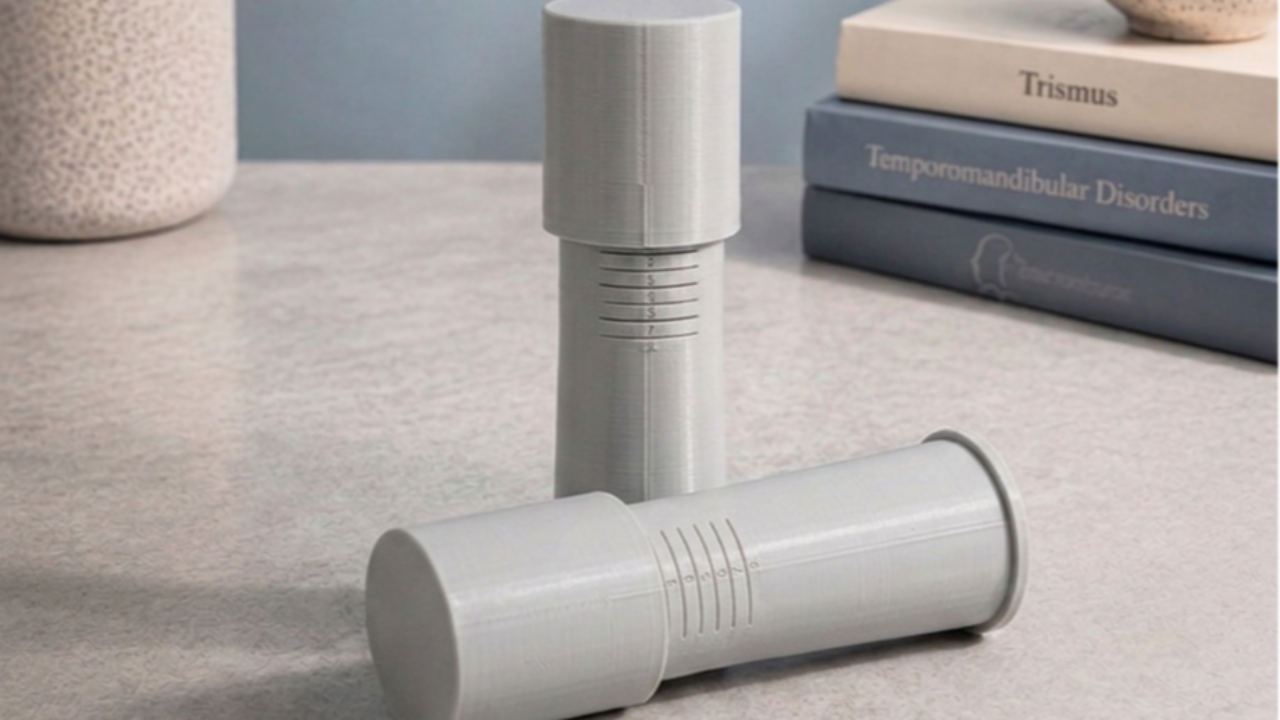
Ask your treating clinician whether this device fits your therapy goals before purchasing.
View Bulk Order Options
Is the Tongue Trainer Right for You?
Head and neck cancer treatment can change tongue strength and movement. If tongue weakness is part of your swallowing difficulty, your speech-language pathologist can help determine whether tongue-strengthening exercises belong in your rehabilitation plan.
Patients
Practice the exercises selected and taught by your treating clinician.
Caregivers
Support the home program your loved one has been prescribed.
Clinicians
Consider whether the tool matches the patient's assessment findings and treatment goals.
Understanding the Tongue's Role in Swallowing
Your tongue helps control food and move it through your mouth during swallowing. Changes in strength or movement after cancer treatment may make these tasks more difficult. A swallowing assessment helps identify what is contributing to the difficulty and which exercises may be appropriate.
A Tool for Targeted Tongue-Strengthening Practice
The Tongue Trainer is intended to support tongue-strengthening exercises as part of a structured therapy program. Your clinician should explain how to use it, select the exercise demands, and guide changes to your program over time.

Consistent Practice
Support consistent, measurable practice at home

Reinforce Goals
Reinforce therapy goals between sessions
Build Routine
Build a routine that aligns with structured swallowing rehab
Important
This device is intended for use under clinician guidance within a structured program
How To Get Started
- Discuss your goals: Ask your speech-language pathologist whether this tool is appropriate for your swallowing rehabilitation.
- Learn the technique: Review device placement, the exercise task, and care instructions with your clinician.
- Follow your program: Use the frequency, repetitions, and progression recommended for you, and discuss your response at follow-up visits.
You're not alone—and targeted training can help.
Your program should be individualized. A research exercise schedule does not replace your clinician's instructions.
What the Research Shows
A 2024 pilot study evaluated four weeks of tongue-training exercises in people treated for head and neck cancer who had dysphagia. Seven of the ten enrolled participants completed the study.
-
Increased measured genioglossus strength following training.
-
Patient-reported improvements in swallowing burden and eating-related stigma on the SWAL-QoL questionnaire.
-
No adverse events reported during the study.
This was a small, non-randomized pilot study. Larger studies are needed to determine the clinical benefits. These results do not establish improved swallowing safety or guarantee individual outcomes.
Reference
Culbert A, Fullerton A, Edwards K, et al. Effects of Tongue Strength Training on Quality of Life in Head and Neck Cancer Patients: Results From a Pilot Interventional Clinical Trial. Otolaryngology–Head and Neck Surgery. 2024.
Real Stories
What Patients Are Saying

"I can speak clearly enough for my grandchildren to understand my speech better."

"I can move my tongue better from left to right."
Do I need a speech-language pathologist to guide me?
How often should I use it?
Will it fix my swallowing difficulty?
What comes with my purchase?
How do I clean it?
Start Your Rehabilitation Journey
If your treating clinician has recommended the Tongue Trainer, order your device and use it as part of your individualized rehabilitation plan.
Buy Now