
Tongue Trainer for Swallow Rehabilitation
Regain Strength. Improve Control. Support Swallowing.
Target tongue weakness and reduced mobility—common contributors to dysphagia after head & neck cancer treatment—with a clinician-guided, evidence-informed training tool.
-
Includes 1 tongue trainer (one piece)
-
Designed for structured therapy use
-
Shipping fee included
Real Patient Stories
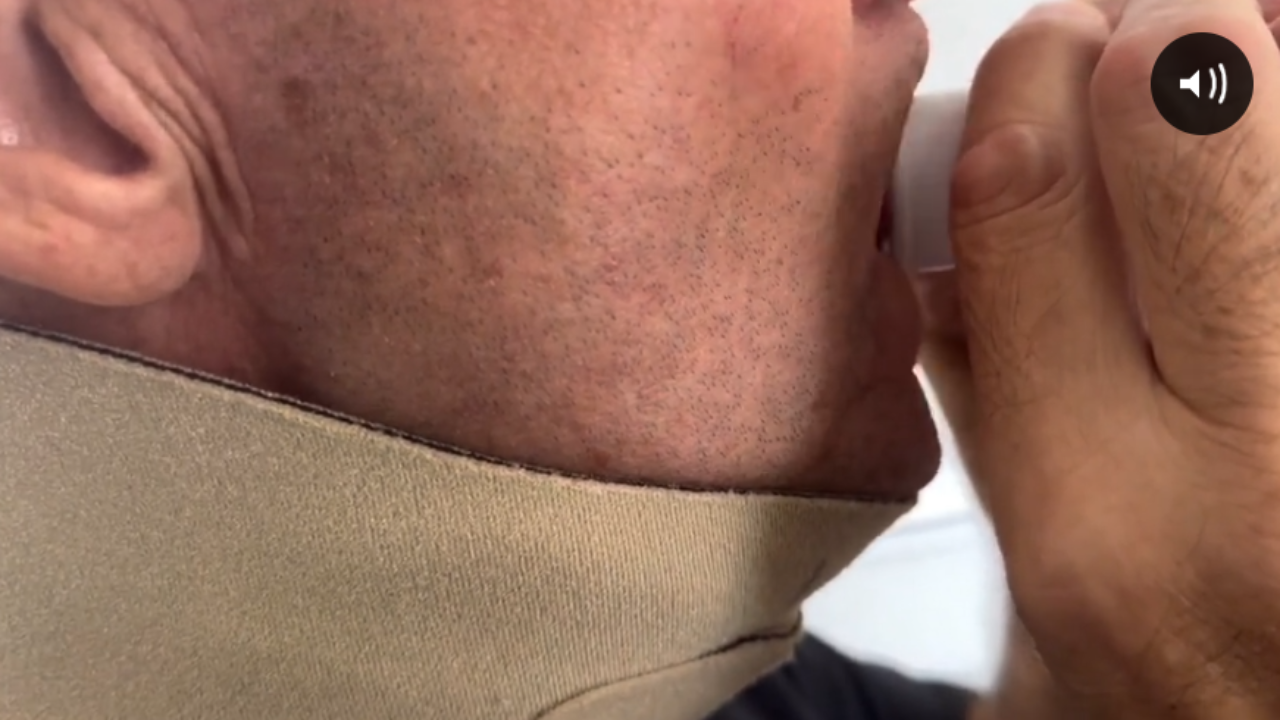
-Patient using the Tongue Trainer during swallow rehabilitation
I can now reach the food in the back right of my mouth.
— Patient using the Tongue Trainer as part of a clinician-guided program
I am being understood better by my grandson.
Why Tongue Training Matters
Tongue weakness can affect:
- Swallowing safety and efficiency
- Bolus control and oral clearance
- Speech clarity and intelligibility
- Confidence with eating and communication
Common following:
- Head and neck cancer treatment
- Stroke
- Parkinson's disease
- Other neurological events affecting tongue function
Targeted tongue training can help support recovery and compensation when used as part of a structured rehabilitation plan.
Targeted, Guided Tongue Training
The Tongue Trainer is designed to support evidence-informed tongue strength training under clinician guidance. It helps patients practice consistently between therapy sessions, reinforcing therapy goals at home.

Structured Programs
Structured swallow rehabilitation programs

Home Practice
Home practice between visits

Progressive Exercises
Progressive tongue strength and mobility exercises

Build Consistency
Consistency, repetition, and adherence
Important
This device is intended for use under clinician guidance within a structured program.
Evidence-Informed Design
A 2024 pilot interventional clinical trial in head and neck cancer patients with dysphagia found that four weeks of targeted tongue strength training was associated with:
-
Improved tongue strength
- Improved swallow-related quality of life (SWAL-QoL)
Reference
Culbert A, Fullerton A, Edwards K, et al. Effects of Tongue Strength Training on Quality of Life in Head and Neck Cancer Patients: Results From a Pilot Interventional Clinical Trial. Otolaryngology–Head and Neck Surgery. 2024.
(Pilot study; results are promising but preliminary. Individual outcomes may vary.)
How It Works
Simple & Effective

-
Evaluation:
Your clinician evaluates your swallow and tongue function -
Practice:
You practice prescribed exercises using the Tongue Trainer -
Progress:
Your clinician adjusts and progresses your program based on your needs
Targeted tongue training can help support recovery and compensation when used as part of a structured rehabilitation plan.
Is This Right For You?
This device may support rehabilitation for individuals with:
- Dysphagia following head & neck cancer treatment
- Stroke-related tongue weakness
- Parkinson's disease affecting tongue control
- Other neurological conditions impacting tongue strength and mobility
Always use as part of a clinician-guided therapy program.
Important Safety Information
Do not use or discontinue use and consult your clinician if you experience:
- Pain with tongue movement or swallowing
- Worsening symptoms
- Active oral wounds or recent surgery not cleared for exercise
- Any instruction from your medical provider to avoid resistance-based oral exercises
Start Supporting Your Swallow Rehab Today
Rebuild strength. Improve control. Support confidence with eating and speaking — with a tool designed to complement evidence-based care.