

Living well with Trigeminal Neuralgia after head and neck cancer : Like Brain Freeze, the First Shock Hurts !
Mar 31, 2026The first electric shock of facial or jaw pain — triggered by something as simple as a breeze or even nothing at all — is something you never forget when living with trigeminal neuralgia!
But within head and neck cancer stories , the question becomes more complex: Do you really understand trigeminal neuralgia with head and neck cancer ? Is it a neural spread , tumor growing or Radiation neuropathy ?
At first, the pain can feel overwhelming, like that sudden “brain freeze” sensation. But over time, you can learn to adapt, so that the first shock is no longer the whole story — and life becomes manageable again !
So what practical, compensatory strategies can help you cope with face pain and trigeminal neuralgia triggers to regain control of your daily routine?
First, let’s understand the trigeminal neuralgia and why trigeminal neuralgia can occur in head and neck cancer patients
Trigeminal Neuralgia and Head and Neck Cancer: What Every Patient Needs to Know
We understand that living with facial pain can be exhausting, especially when it comes on suddenly or unpredictably. Across our work in head and neck cancer rehabilitation — supporting patients through the full spectrum of recovery, from pain , swelling and swallowing to speech and daily function — one of the most consistent things we hear is that patients feel dismissed, misunderstood, or simply overwhelmed by the complexity of what trigeminal neuralgia does to everyday life. You are not alone, and your experience is real."
Because this type of facial pain can feel confusing and overwhelming, we can help you to understand what is happening in the nerves of your face. trigeminal neuralgia is defined as a chronic neuropathic facial pain disorder characterized by sudden, severe, brief, stabbing, or electric shock–like pain along the distribution of one or more branches of the trigeminal nerve usually caused by vascular compression of the trigeminal nerve root .
In the context of head and neck cancer , it is a secondary, tumor- or treatment-related neuropathic facial pain syndrome , Evidence reviews identify three main mechanisms: perineural invasion by tumor, direct compression of the nerve by a tumor mass, and neuropathy resulting from surgery or radiation.
At both , primary or secondary trigeminal neuralgia it may make it harder for face muscles to work impacting critical daily activities such as chewing, swallowing, and sometimes speaking.
With head and neck cancer patients , we not only address nerve pain but also help you manage muscle tightness, tissue changes, or reduced jaw and facial mobility, which can make eating, drinking, and speaking more challenging.
We also focus on supporting safe and efficient swallowing, improving speech clarity, and managing facial or neck swelling that can result from surgery or radiation. Unlike primary TN, where care mainly targets nerve pain, cancer-related TN rehabilitation takes a holistic approach, addressing both functional recovery and the comfort
Together, we'll work on compensatory techniques and exercises to help improve these functions and make eating, drinking, and speaking more comfortable for you. With ongoing support of head and neck rehabilitation specialists , you can actively participate in your recovery. Many patients find that these strategies make their symptoms more manageable and we help them feel more in control of their daily life.
What exercises help with trigeminal neuralgia pain and jaw tension?
The trigeminal nerve controls the muscles used for chewing and facial expressions, so when these muscles are tense, it can trigger or worsen nerve pain. Reducing muscle tension can help lower the frequency and intensity of attacks. Some patients notice that after a long meal or when they clench their jaw while stressed, the electric-shock pain comes back more often.
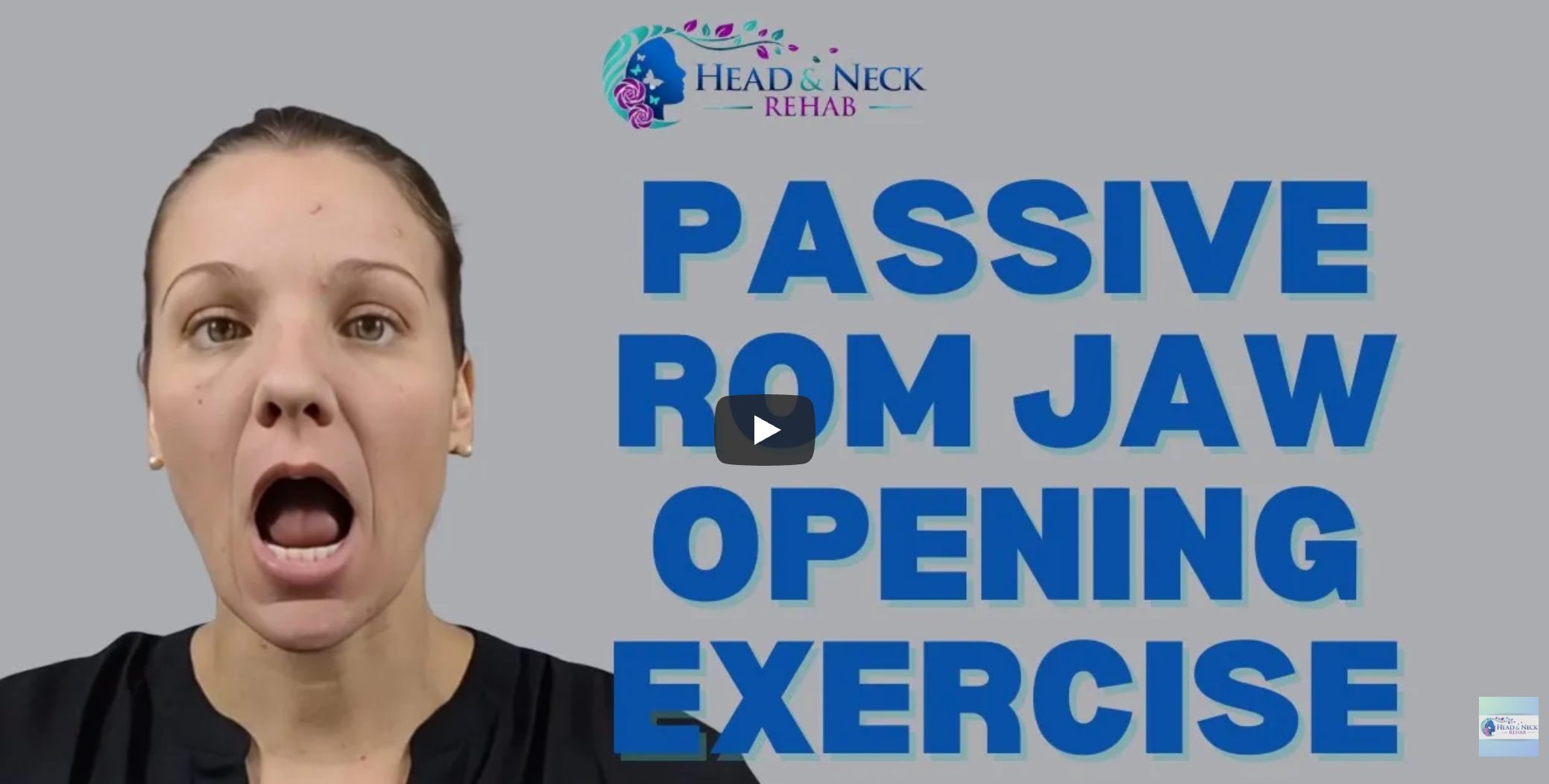
Learning to gently relax these muscles can make a meaningful difference, and even small, simple movements can help you feel more in control. Applying gentle, pain-free movements like slowly opening and closing your mouth or moving your jaw side-to-side can help prevent clenching. You can watch a short demonstration of some of these exercises here: YouTube Video: Jaw Mobility Exercises for TN
Gentle aerobic exercise, such as walking or light cycling, can help regulate how your body processes pain by improving circulation, reducing stress, and supporting your nervous system; while it does not directly treat the trigeminal nerve, it can make pain episodes feel less intense and more manageable over time.
For example, many patients notice that on days when they take a short, relaxed walk, they feel less tense and experience fewer or less severe flare-ups compared to more sedentary or stressful days. Starting with a few minutes of comfortable movement and gradually building it into your routine—at a pace that feels safe and within a pain-free range—can be a gentle way to support your overall comfort and well-being.
Eating and swallowing with trigeminal neuralgia: what to eat, what to avoid, and how to protect your nerve
Living with trigeminal neuralgia is possible, and often it’s the small, consistent steps and daily habits that can make a big difference . Always remember, over time, you can learn to adapt, so that the first shock is no longer the whole story — and life becomes manageable again ! :
Choosing soft, moist foods can make eating much gentler on your jaw muscles, which often reduces the frequency of trigeminal neuralgia attacks. Foods like mashed potatoes, cooked vegetables, yogurt, or oatmeal glide more smoothly in the mouth, helping you chew and swallow with less strain.
It is also helpful to avoid dense or tough meats, which require more chewing and can trigger facial pain. Swapping them for shredded chicken, fish, or ground meats can make meals more comfortable and enjoyable.
Adding gravies or sauces to your food allows food to slide smoothly, which reduces effort and jaw tension. Many patients find that a little extra sauce can make everyday meals significantly easier.
Alternating bites with small sips of water can help wash down food and prevent residue from lingering in the cheek or near the gums.
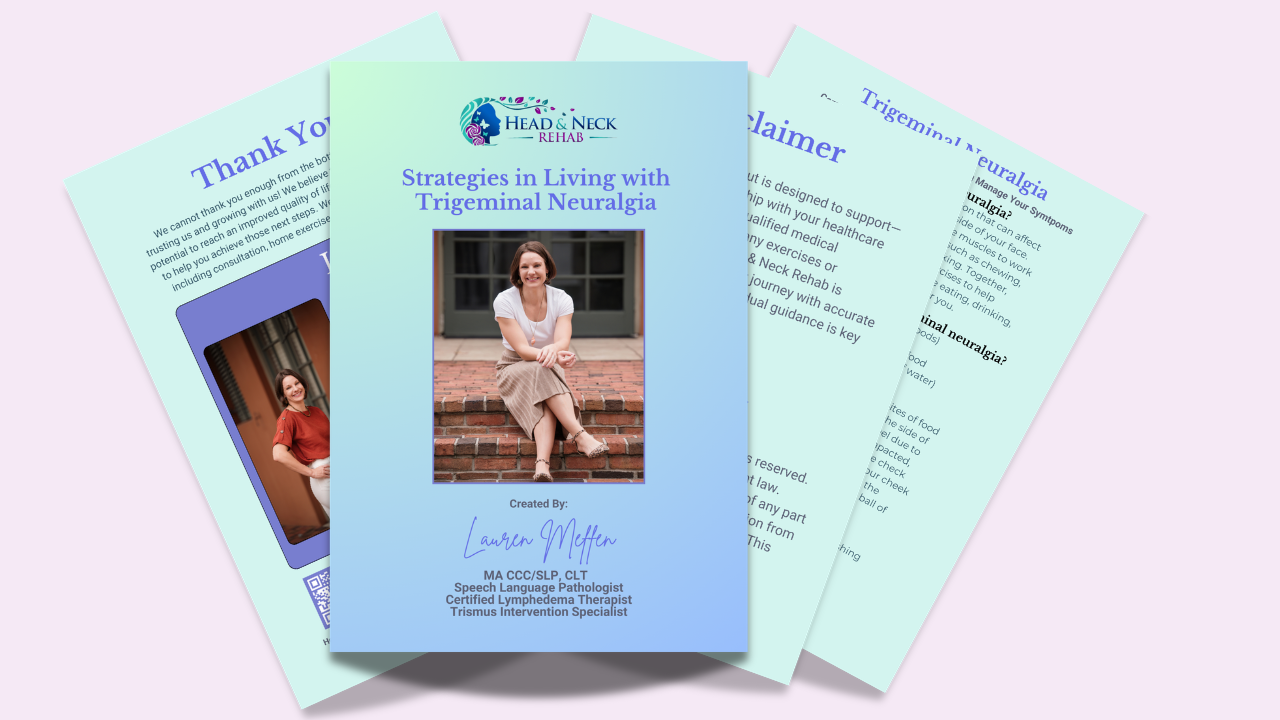
Some people also find that taking smaller bites and eating at a slower pace gives their muscles time to relax between bites, which can minimize discomfort and make mealtime less stressful , there are a lot of strategies that you can explore in our Strategies in Living with Trigeminal Neuralgia Handout
Extreme temperatures can irritate the trigeminal nerve and trigger pain episodes, especially when the nerve is already sensitive. For example, some patients notice a sharp, sudden pain when drinking very cold water or hot beverages like tea or coffee. Choosing lukewarm foods and drinks and testing temperature with small sips before taking a full bite or drink can help reduce these reactions and make eating and drinking more comfortable.
Finally, some patients find Certain foods, particularly dried or crumbly items, can be difficult to form into a cohesive bite and may require extra effort to swallow. Replacing them with softer, moister options or adding a liquid component can help maintain comfort.
All of these approaches can guide you through mealtime adaptations and support your daily comfort.
Trigeminal neuralgia triggers: how to identify them and reduce pain episodes in daily life
Many people living with trigeminal neuralgia notice that certain everyday situations can trigger or worsen their pain. While these triggers may feel unpredictable at first, understanding them is an important step toward gaining more control.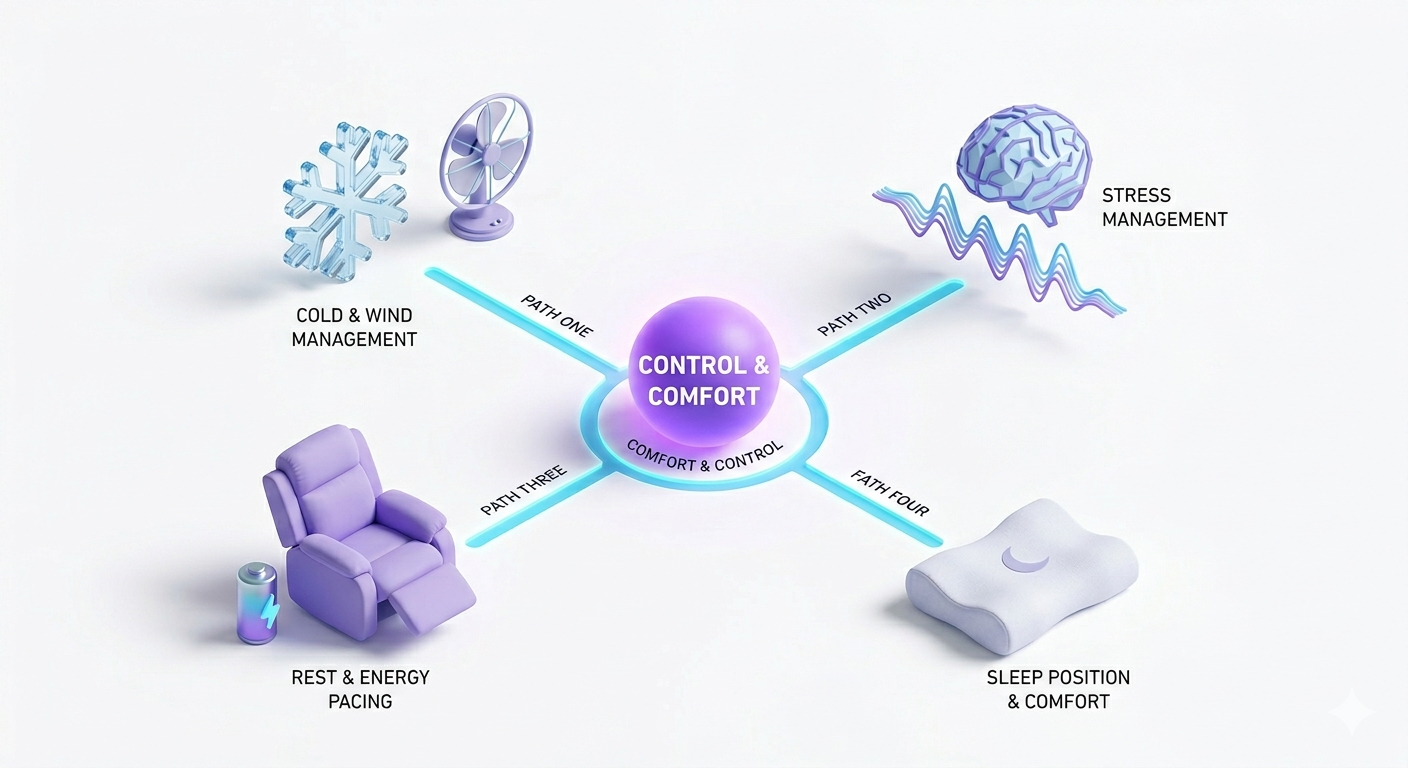
By making small adjustments to your daily routine and environment, you can often reduce how frequently these episodes occur and feel more confident managing your day-to-day activities. The following strategies are designed to help you recognize and gently adapt to these triggers in a way that supports your comfort and quality of life :
Cold air can irritate the trigeminal nerve and trigger sudden pain. Many patients notice that stepping outside on a windy day or sitting in front of a fan brings on sharp facial discomfort. You may find it helpful to protect your face with a scarf when outdoors, avoid direct airflow from fans or air conditioning, and choose seating areas away from strong drafts.
Stress can heighten nerve sensitivity and make pain episodes feel more frequent or intense. Many patients notice flare-ups during busy or emotionally demanding days. Building small moments of relaxation, such as slow breathing or short breaks, can help your body stay calmer and reduce the impact of these triggers. breathing exercises are also evident to reduce pain intensity by lowering sympathetic nervous system activity.
Fatigue can lower your tolerance to pain and make symptoms feel more intense. Patients often report that symptoms worsen after long or exhausting days. Pacing your activities, taking regular rest breaks, and maintaining a consistent sleep routine can support your energy levels and overall comfort.
Pressure on the face during sleep can irritate the trigeminal nerve and lead to discomfort upon waking. Some patients notice increased pain when sleeping on the affected side or using a firm pillow. Adjusting your sleeping position, using a softer pillow, or supporting your head in a neutral position can help reduce pressure and improve comfort overnight.
As you begin to notice your own triggers, small adjustments like these can gradually make daily life feel more manageable—helping you stay engaged in your routine while protecting your comfort.
Remember, living with facial pain is a marathon, not a sprint. Small, steady shifts in how you eat and move your jaw are exactly what will help you reclaim control of your life. you are not alone—we are here to guide you every step of the way, answer your questions, and tailor approaches to your needs.
Stay connected with news and updates!
Join our mailing list to receive the latest news and updates from our team.
Don't worry, your information will not be shared.
We hate SPAM. We will never sell your information, for any reason.